

The first showing rarely begins at the front door anymore. It begins on a phone screen, often between other listings that appear similar in price, size, and location. A buyer may move from one Detroit colonial to another in seconds, pausing only when an exterior feels inviting, a living room is easy to understand, or a photograph reveals something that the listing description could not quite explain.
This has changed the role of real estate photography. Images are no longer a record made after the house is ready for market; they are part of how the property enters the market in the first place. They determine whether a buyer opens the listing, how long that buyer remains with it, and whether the home feels worth seeing in person.
In Detroit, that responsibility is especially important because the housing market is not one uniform collection of interchangeable properties. A brick colonial in Bagley, an Arts and Crafts home in Boston-Edison, a duplex in Southwest Detroit, and a condominium along the riverfront may all appear under the same city name while presenting entirely different questions of condition, scale, history, layout, and value. Professional photography helps buyers read those differences before they schedule a showing.
Detroit’s Market Is Competitive, but Not in the Same Way Everywhere
Calling Detroit competitive does not mean that every property receives multiple offers or sells immediately. The market is more selective than that.
Redfin currently describes Detroit as “somewhat competitive.” During the three months ending May 2026, homes sold for a median price of approximately $100,000 and remained on the market for an average of 54 days. The median sale price increased by 4.1% from the same period a year earlier, even as the number of completed sales declined.
Zillow’s data offers another view of the same market. As of June 2026, it reported a typical Detroit home value of $77,245, a median list price just under $100,000, and a median of 34 days before a home went pending. At the same time, nearly 59% of recorded sales closed below the original list price, while roughly 24% closed above it.
The figures measure different things across different periods, but together they describe a market in which demand exists without being distributed evenly. Some homes attract attention quickly. Others remain available long enough for buyers to compare them carefully, question their condition, and reconsider whether the asking price matches what they see.
Professional listing photography cannot correct an unrealistic price or conceal deferred maintenance. What it can do is prevent a well-positioned property from being overlooked because its rooms appear dark, its proportions are difficult to understand, or its most important features were photographed without intention.
In a selective market, clarity becomes a competitive advantage.
The First Showing Happens Online
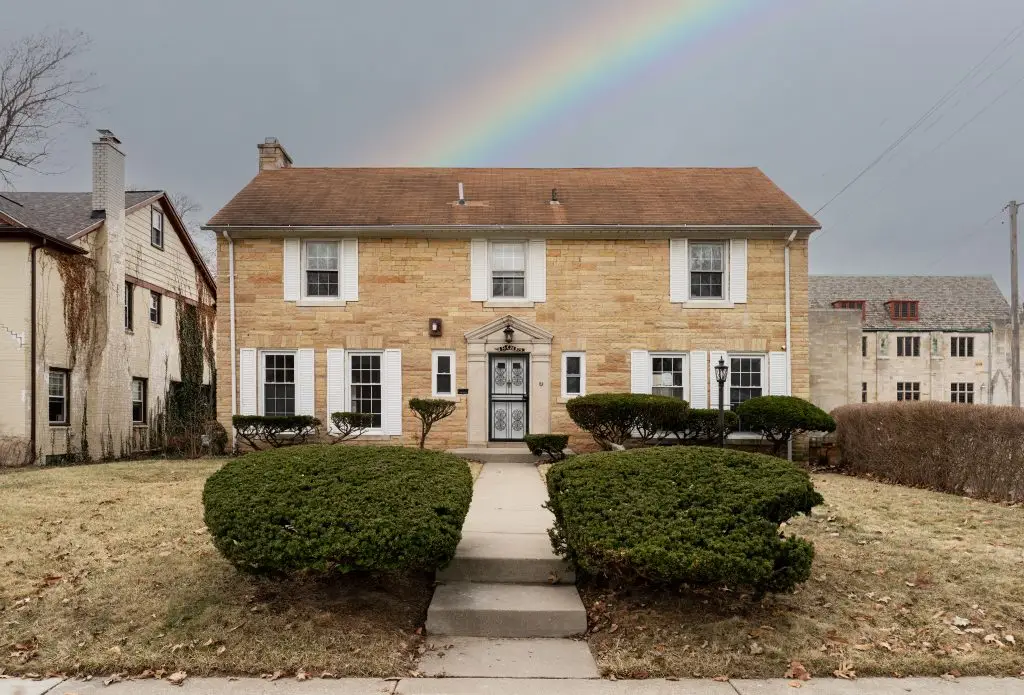
The online listing is not simply an introduction to the showing. For many buyers, it determines whether the showing happens at all.
The National Association of REALTORS® reported that 52% of buyers found the home they eventually purchased online. Its 2025 buyer research also found that 81% considered listing photographs the most useful feature during an online property search. Zillow’s 2025 research reached a similar conclusion: prospective buyers ranked high-resolution photography as the second-most important listing feature, behind only a floor plan. High-resolution images received the top ranking from 26% of respondents, while floor plans were ranked first by 33%.
These numbers help explain why weak photography can be more damaging than it initially appears. Buyers are not viewing the images after deciding that they like the property. They are using the images to make that decision.
A dark front exterior can prevent the buyer from opening the listing. A heavily distorted kitchen may generate interest but create disappointment during the showing. A bedroom photographed from a poor angle can appear smaller than it is, while a wide room shown without any visual connection to the doorway may leave the layout feeling uncertain.
Professional photography gives the buyer enough information to continue. It invites attention, but it also rewards that attention with a more complete understanding of the house.
Detroit Homes Need Interpretation, Not a Formula
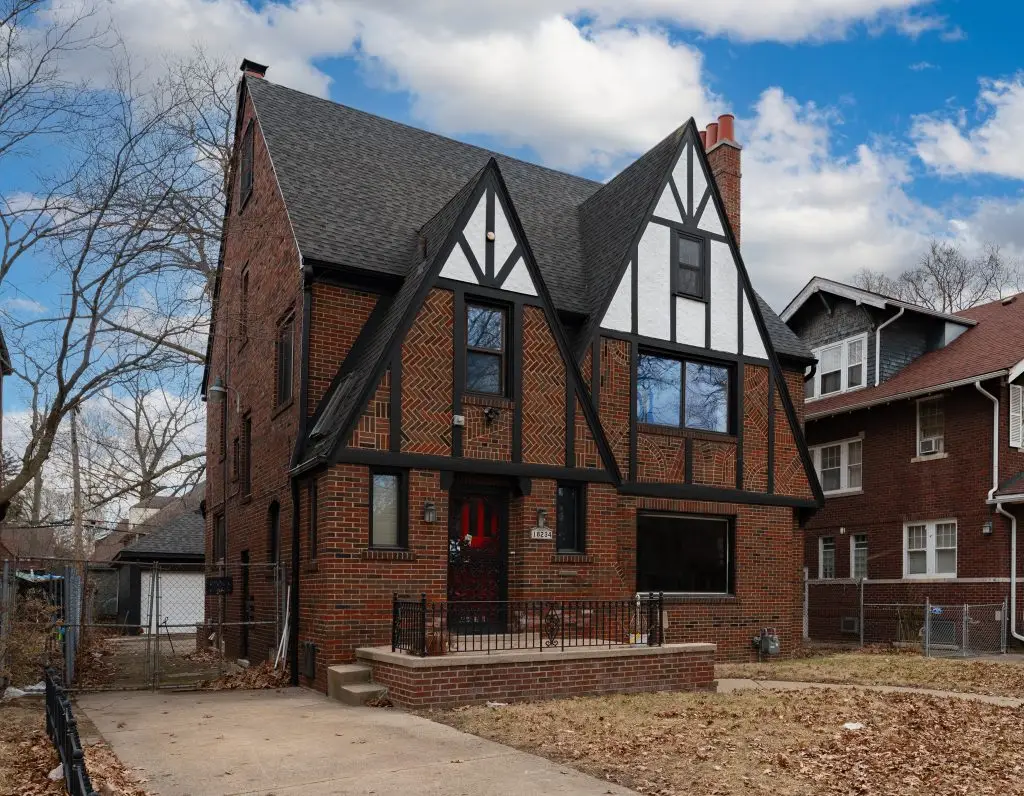
A standardized photographic checklist can ensure that every bedroom and bathroom is documented, but Detroit’s housing stock often asks for something more attentive.
Many of the city’s homes were built during periods when craftsmanship was expressed through materials that require careful light and framing: hardwood floors, leaded glass, decorative plaster, substantial wood trim, brick fireplaces, arched openings, built-in cabinetry, and patterned tile. In designated historic districts, the City of Detroit maintains formal boundaries and elements of design intended to recognize the architectural significance of those neighborhoods.
Those features can disappear when every room is photographed from the widest possible corner. A carved stair rail becomes a thin line at the edge of the frame. The depth of a fireplace is flattened. A leaded window turns into a bright white rectangle because the exposure was set only for the room.
The opposite approach can be just as limiting. A gallery filled with close details may celebrate craftsmanship while leaving the buyer unable to understand the floor plan.
Professional coverage moves between the two scales. Wider images establish the room and its relationship to the house. More deliberate compositions draw attention to the details that give the property its identity. As explored in Historic District Listings Need Detail, Not Drama, historic character becomes most persuasive when it is photographed with restraint rather than treated as theatrical scenery.
The camera does not need to make an older Detroit house look new. It needs to make the house legible.
Good Photography Helps Buyers Understand Condition
Condition is often one of the central questions in a Detroit home search. Two houses with similar square footage may represent very different levels of renovation, preservation, maintenance, or unfinished work. Photography should make those distinctions easier to evaluate.
Balanced lighting allows buyers to see the color and condition of walls, floors, cabinetry, and fixtures. Straight vertical lines keep rooms from appearing unstable. Controlled window exposure shows whether a room receives meaningful daylight without turning the outdoor view into a blank white field. A thoughtful sequence can distinguish an updated kitchen from an original dining room without making the home feel visually disjointed.
This does not mean documenting every imperfection with the severity of an inspection report. Listing photography and property inspection serve different purposes. But the images should remain credible. Excessive brightness, aggressive color shifts, stretched walls, and digitally removed permanent features may create a polished gallery while weakening the buyer’s trust when the house looks different in person.
Professional editing should clarify what is there. It should not invent a different property.
That honesty is particularly valuable when buyers are weighing renovation costs against asking price. Clear images help them identify what has already been completed, what may require attention, and whether the home’s character makes the remaining work feel worthwhile.
Professional Photography Is Not Reserved for Luxury Listings
There is a persistent assumption that professional photography is most important for large, expensive, or heavily designed homes. In practice, modest properties may benefit from it just as much.
A smaller Detroit house usually has fewer rooms and less square footage with which to make its impression. The living room may also be the primary passage to the dining area. A compact kitchen may have limited counter space but an efficient relationship to the rest of the main floor. A finished basement may add significant usable space even though it is not reflected fully in the above-grade square footage.
These homes require accurate composition. An ultra-wide lens can create unrealistic expectations, while a narrow or poorly selected angle can make a functional room feel cramped. The strongest photograph finds the point at which the space feels open but still believable.
Professional photography can also reveal qualities that are easy to miss in a quick snapshot: the amount of daylight entering a small bedroom, the connection between a breakfast area and the backyard, the depth of a front porch, or the way a detached garage sits within the lot.
The goal is not to make a modest home imitate a luxury property. It is to show why the home works.
The Lead Image Has to Earn the Click
The first photograph carries more responsibility than any other image in the gallery. It appears in search results, property alerts, social posts, and the rows of thumbnails buyers scroll through before opening an individual listing.
The traditional front exterior remains the right lead image for many homes because it immediately answers the most basic question: which property is being offered? But even a familiar composition requires planning. The façade should receive flattering light, vehicles and trash containers should be moved when possible, the lawn and walkway should feel orderly, and the camera position should show the architecture without allowing a neighboring house or parked car to dominate the frame.
Some properties may justify another approach. A condominium with a remarkable skyline view, a home with an unusually strong interior renovation, or a property whose rear elevation opens directly toward the water may benefit from a different first impression. The decision should be strategic rather than decorative.
A dramatic image that misrepresents the property may earn a click, but it can also attract the wrong expectations. A strong lead photograph creates interest while remaining faithful to what the buyer will encounter.
A Floor Plan Turns Attractive Rooms Into a Coherent House
Photography can show how a room feels, but it does not always explain where that room sits.
This is especially true in older Detroit homes that have been modified over time. A former porch may now function as a sitting room. An attic may have become a bedroom. A rear addition may connect the kitchen to a mudroom, while the basement may contain a bathroom or flex space that is not obvious from the main-floor photographs.
A floor plan brings those pieces together. It allows the buyer to understand room relationships, circulation, and approximate scale after the photographs have established atmosphere and character. Zillow’s finding that prospective buyers ranked floor plans above every other listing feature reinforces how valuable that spatial clarity has become.
The strongest presentation does not ask photography to do the work of a floor plan or ask the floor plan to replace photography. The two support each other. Images describe the experience of moving through the rooms; the plan explains how those rooms form a house.
Neighborhood Context Should Be Specific
Detroit is experienced at the scale of neighborhoods, and location photography can help communicate that identity. The challenge is deciding what genuinely belongs in the listing.
A home near an established commercial corridor may benefit from one carefully chosen streetscape. A property in a historic district might include a wider neighborhood image showing mature trees, consistent setbacks, and the relationship between homes. A residence close to a park, riverfront path, or recognizable civic amenity may justify one or two contextual photographs.
The operative phrase is one or two. The property should not disappear beneath a tourism brochure of downtown landmarks that may be several miles away.
Neighborhood imagery works best when it answers a practical question about living at the address. What is within a reasonable distance? What does the block feel like? Is there a recognizable architectural rhythm? Does the nearby amenity meaningfully influence the property’s location story?
Specific context gives a listing a sense of place. Generic city imagery merely borrows Detroit’s identity without explaining the home’s relationship to it.
Strong Photography Supports the Agent’s Marketing Strategy
Professional listing photography also communicates something about the agent responsible for the property.
Sellers notice how a home is introduced. A cohesive gallery, accurate floor plan, considered exterior coverage, and consistent presentation suggest that the listing was prepared rather than simply uploaded. That distinction matters when agents are competing for future business as well as promoting the property in front of them.
The photographs can also support a wider marketing campaign. A horizontal exterior may anchor the MLS listing, while vertical compositions can be created for social media. Detail images may work within an email campaign or printed brochure. Aerial photography can establish the lot and surrounding context, while video provides a more continuous sense of movement through the home.
These pieces should feel related. When color, exposure, framing, and visual tone change dramatically from one format to another, the marketing begins to feel assembled from separate parts. Professional production creates consistency across them.
That consistency helps the property appear prepared from the moment it launches, which matters because online visibility often develops early. NAR notes that initial views, saves, and shares can influence whether a listing gains momentum or begins to fade among competing inventory.
The Photograph Should Make the Showing Feel Worthwhile
Professional listing photography does not replace pricing strategy, home preparation, or an experienced real estate agent. It strengthens each of them by giving buyers a clearer reason to take the next step.
In Detroit’s current market, that next step cannot be assumed. Some properties move quickly; others compete for attention over several weeks. Buyers may be navigating mortgage costs, renovation budgets, neighborhood differences, and an inventory of homes that varies widely in condition. The listing has to earn their time before the showing can earn their confidence.
The strongest photographs accomplish this without spectacle. They show the front elevation in the right light. They allow rooms to retain their scale. They preserve window detail, straighten the architecture, and guide the viewer through the home in an order that feels natural. They acknowledge character without exaggerating it and condition without disguising it.
Most importantly, they help the buyer understand why this particular Detroit property deserves a closer look.
That is why professional photography matters in a competitive market. It does not simply make the house look better. It makes the decision to see it easier.
